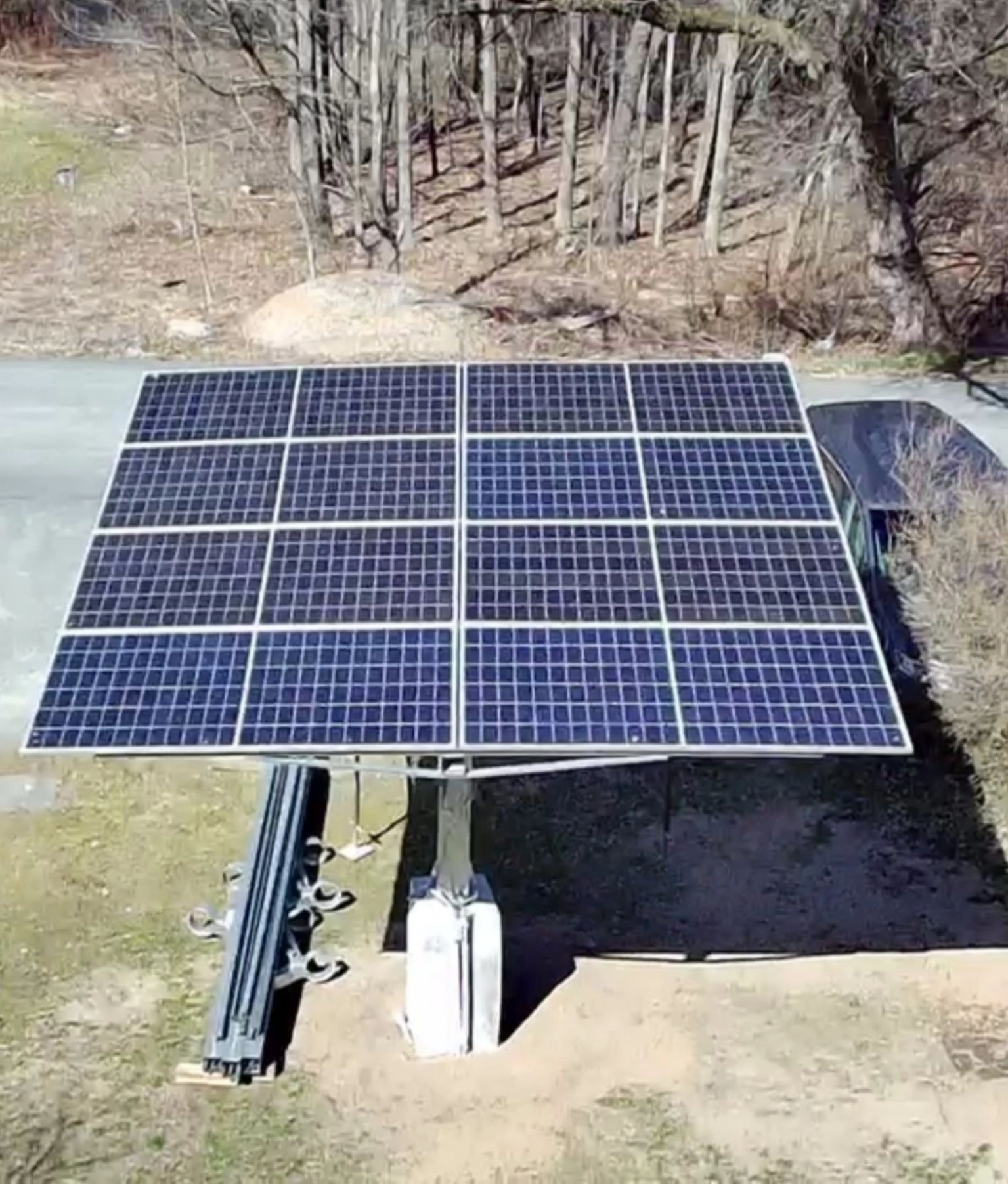
For homeowners looking to maximize their renewable energy harvest, static solar panels often fall short of their potential. The sun moves across the sky constantly, yet fixed mounts only capture peak energy for a few hours a day. To solve this, DIY enthusiasts are turning to dynamic solutions that actively follow the light source. The Sunchaser8 is designed specifically to bridge this gap between potential and actual output.
By automatically adjusting the angle of your solar array, you can generate significantly more power without buying more panels. This system uses smart sensors to detect the brightest point in the sky and aligns the panels accordingly. It transforms a passive backyard project into a high-performance energy generator. With the right setup, you can see efficiency gains of up to 40% compared to a stationary rack.
Why You Need a Sunchaser8 Solar Tracker
The primary advantage of installing a tracking system is the extended production window it provides. Instead of a bell curve of power that peaks at noon, you get a plateau of high energy from morning to evening. The Sunchaser8 solar tracker ensures that your batteries charge faster and stay full longer.
Overcoming Static Limitations
Fixed solar panels are like a bucket left in the rain; they only catch what falls directly into them. When the sun is at a low angle in the morning, static panels reflect much of the light rather than absorbing it. A tracking system tilts to face the sun head-on, eliminating this reflection loss. This is crucial for off-grid systems where every watt counts.
The DIY Advantage
Building this system yourself offers a deep understanding of how your energy system works. It allows for easier troubleshooting and customization to fit your specific terrain or energy needs. The kit approach removes the guesswork of sourcing compatible parts while still offering the satisfaction of a hand-built project. It is the perfect weekend build for the eco-conscious maker.
How the Sunchaser8 Works
At the heart of this system is a controller that interprets data from light sensors. These sensors act as the "eyes" of the rig, constantly comparing light levels from different directions. When a discrepancy is detected, the controller activates motors to move the array until the light is balanced.
Precision Movement
The movement is driven by robust linear actuators or gear motors that are designed for outdoor use. These components are strong enough to hold the panels steady against the wind but precise enough to track the sun's slow arc. This mechanical reliability is what makes the system a "set it and forget it" solution for long-term energy generation.
Weather Resilience
Since solar trackers are exposed to the elements 24/7, durability is a key design feature. The structure is built to withstand rain, snow, and UV exposure without degrading. High-quality materials ensure that the moving parts do not seize up over time. This resilience guarantees that your investment continues to pay off for years.
Key Components of the Build
To successfully assemble your own tracking unit, you will need to familiarize yourself with these specific parts included in the design.
- Sensor Module: Detects the sun's position.
- Controller Board: Processes data and commands motors.
- Linear Actuator: Provides the physical lifting force.
- Mounting Frame: Structural support for the panels.
- Power Supply: 12V source for the electronics.
- Limit Switches: Prevents over-rotation of the rig.
Conclusion
Investing time in building a dynamic mount pays dividends in the form of free, abundant electricity. It upgrades your solar setup from a basic installation to a professional-grade power plant. The ability to harvest early morning and late afternoon sun changes the economics of home solar.
Ultimately, the Sunchaser8 represents a smart shift toward active energy independence. It proves that with a little ingenuity and effort, you can drastically improve your home's sustainability. Whether you are powering a cabin or a shed, following the sun is the brightest idea you can have.