A decaying tree standing in your yard might seem like a minor eyesore, but it could actually be a beacon for destructive pests. Insects thrive in environments where wood is breaking down, potentially leading to infestations that eventually spread to your home. Managing this risk early is a smart way to protect your property's long-term integrity and health.
Understanding the Pests Linked to Dead Tree Removal Needs
Many homeowners do not realize that wood-boring insects, such as termites and carpenter ants, are attracted to moisture-heavy, decaying wood. Once these pests have established a colony in a dying tree, the proximity to your house becomes a major concern. Timely intervention is the most effective way to prevent these unwelcome guests from migrating toward your living space.
Preventing Infestations Through Dead Tree Removal Strategy
When you observe signs of decay, it is time to consider the benefits of dead tree removal. Removing the wood source eliminates the primary food supply and nesting habitat for these pests. By clearing out the wood, you essentially disrupt the lifecycle of the infestation, making it much harder for colonies to thrive near your home’s foundation.
Identifying Signs for Dead Tree Removal Services
Look for holes in the bark, piles of sawdust around the trunk, or unusual activity from woodpeckers. Woodpeckers are often attracted to the insects inside a dying tree, so their presence can be a strong indicator of a deeper problem. If you notice these warning signs, reach out to professionals who can help you assess the situation before it worsens.
Protecting Your Home During Dead Tree Removal
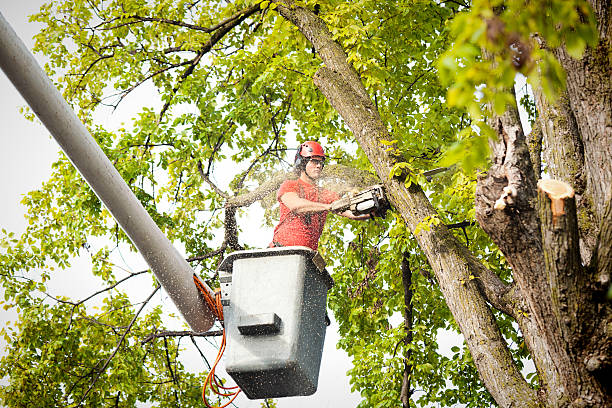
The goal of professional arboriculture is to protect the structural integrity of your home while clearing your land. When removing a tree that is infested with pests, professionals take extra care to ensure that insects are not disturbed in a way that causes them to swarm. This methodical approach is critical for the safety of your property.
Professional Standards in Dead Tree Removal Practice
Experienced crews understand the biology of tree decay and the habits of local pests. They employ techniques that minimize the time a tree spends on the ground, which reduces the chance of pests scattering. Their expertise helps you regain control over your yard, ensuring that your home remains free from the threat of wood-destroying insects that thrive in neglected landscapes.
Integrating Cleanup with Dead Tree Removal Goals
After the tree is removed, stump grinding is a necessary follow-up step to ensure that no wood remains for pests to return to later. By removing the stump completely, you eliminate the underground root system that could still host an active colony. This comprehensive approach is the only way to be certain that the site is truly clear and safe.
Conclusion
Ignoring a dying tree is an invitation for pests that can cause significant damage to your home. Proactive management and timely action are essential to maintaining a pest-free environment. By choosing professional services to clear your property, you invest in the security and beauty of your landscape, ensuring that your home remains a safe haven free from the risks of invasive insect colonies.